From the first line of code to platform scale on a consumer mobile product used by more than a million people a month.
Hired to guide the way, stayed to build a platform
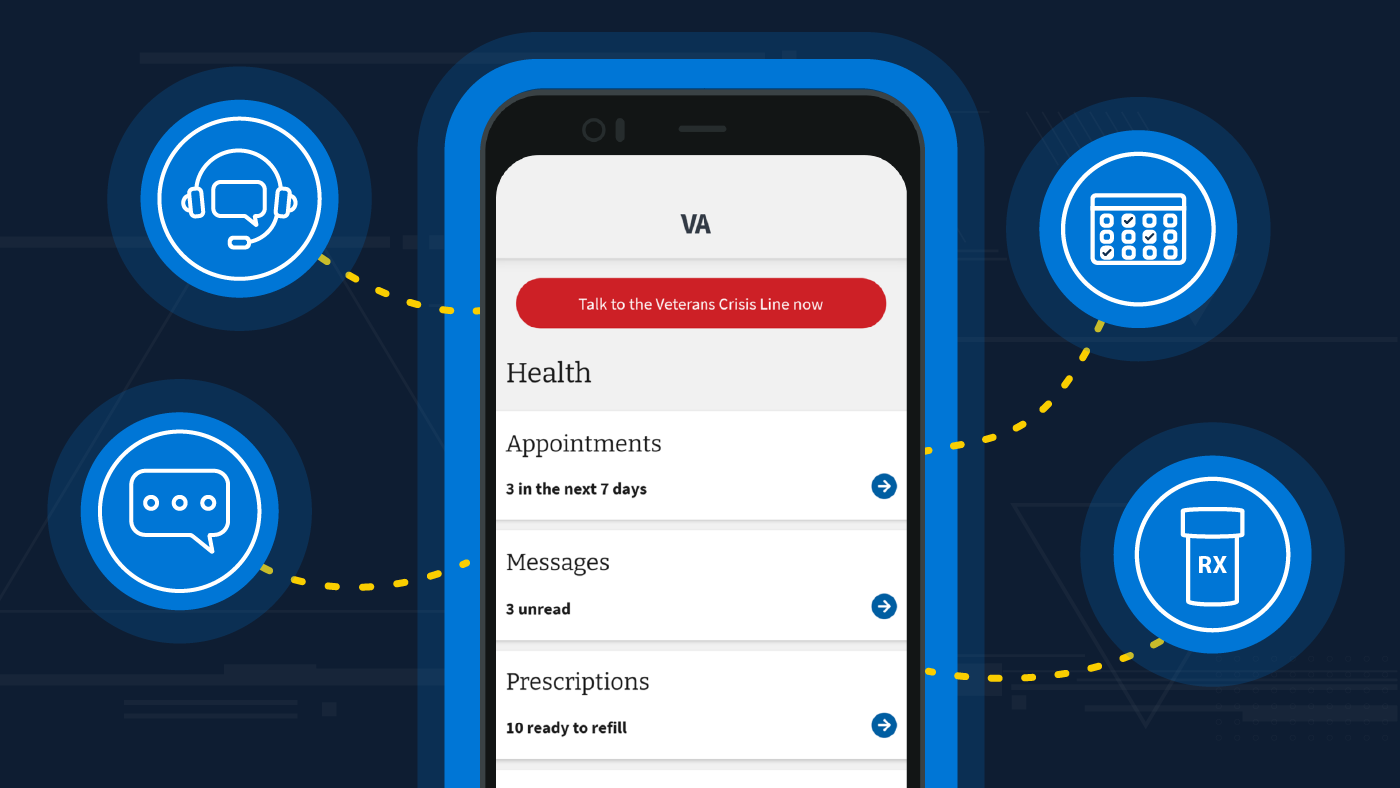
Hired as Ad Hoc’s first mobile developer, I wrote the first line of code in September 2020 and got the app launch-ready by March 2021. I stayed through architecture, team growth, and post-launch expansion as principal engineer, architect, and engineering manager. I oversaw the team’s move to a mobile platform as a Director.
The problem to solve
Veterans needed reliable mobile access to health and benefits across many backend systems that were never designed to power a single consumer app. Cold start had to feel fast even when the home screen needed personalized data from several upstream sources at once.
What I did
Designed a backend-for-frontend facade over 30+ source systems
Solved cold-start load for a home screen pulling from 5+ upstream systems
Shipped biometric auth (Face ID / fingerprint) at launch
Built the VA Mobile Design System so feature teams stayed consistent
Partnered on a push notification service with granular in-app controls
Hardened delivery: release trains with Fastlane and EAS, feature flags, automated QA, analytics
Grew a blended engineering team from 6 to 14 while shipping continuously
When infrastructure blocked launch
Near launch we found an enterprise Trusted Internet Connection gateway misconfiguration breaking federated login in Safari. That sat outside the app stack, with the networking group. We split the team: part of us spent three months diagnosing and fixing it with them, while the rest kept delivering MVP features. Shipping sometimes means owning the path to production even when the blocker isn’t yours.
Launching the app
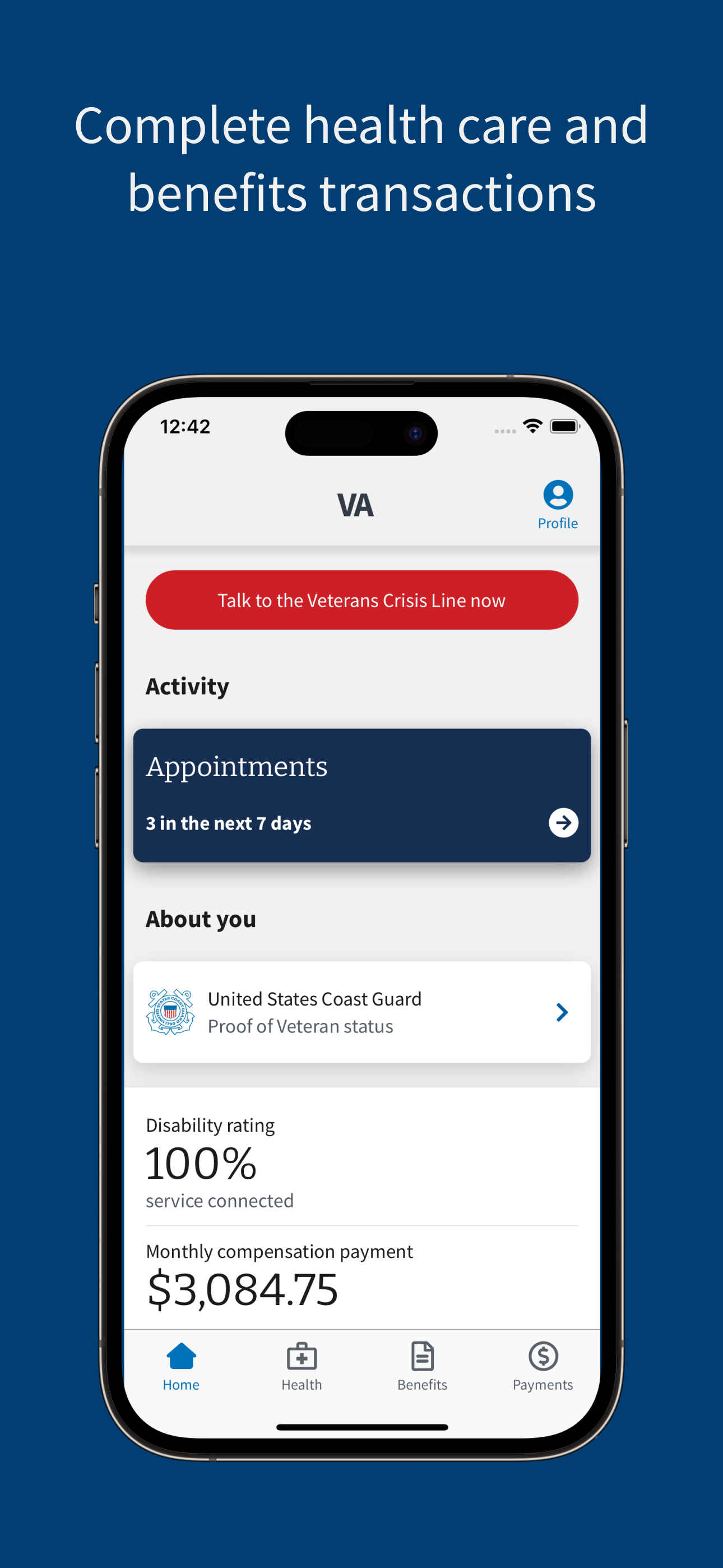
Launch put health and benefits in one place on a phone. The first release included claims status, appointments, direct deposit, profile updates, military history, secure messaging, crisis-line access, and benefit letters.
After launch we expanded into prescriptions, payments, vaccine records with Apple/Google Wallet cards, digital Veteran ID, medical records, and an information-architecture overhaul so navigation could keep growing without a rewrite.
From product team to platform
In order to allow product lines to better own their own digital products, we took our single-team app and began turning that into an open mobile platform other VA teams could deliver on. That meant clearer architecture boundaries, shared design and release systems, and a path for new feature teams to ship without owning the whole stack.
The platform allowed VA to better support all of its digital products within the app, faster, and with easier onboarding than routing all work through a single team. This meant updates and new features could get to Veterans faster while maintaining reliability.

Outcomes
3M+ downloads
1.4M+ monthly active users
4.8 App Store / 4.7 Google Play
App team transitioned to an open platform team for other VA teams to deliver on the app